
New ENDURE publication: Exploring the bacteria preseved in waterlogged archaeological wood
A new study from the ENDURE project has been published in Peer Community Journal, investigativ how DNA extraction methods influence our ability to study bacterial communites preserved in waterlogged archaeological wood.
Microorganisms play an important role in the deterioration of archaeological wood underwater, but identifying the bacteria involved in these processes is not straightforward. DNA preserved in archaeological wood can be acarce, fragmented and unevenly distributed, making the choice of laboratory methods an important part of the investigation.
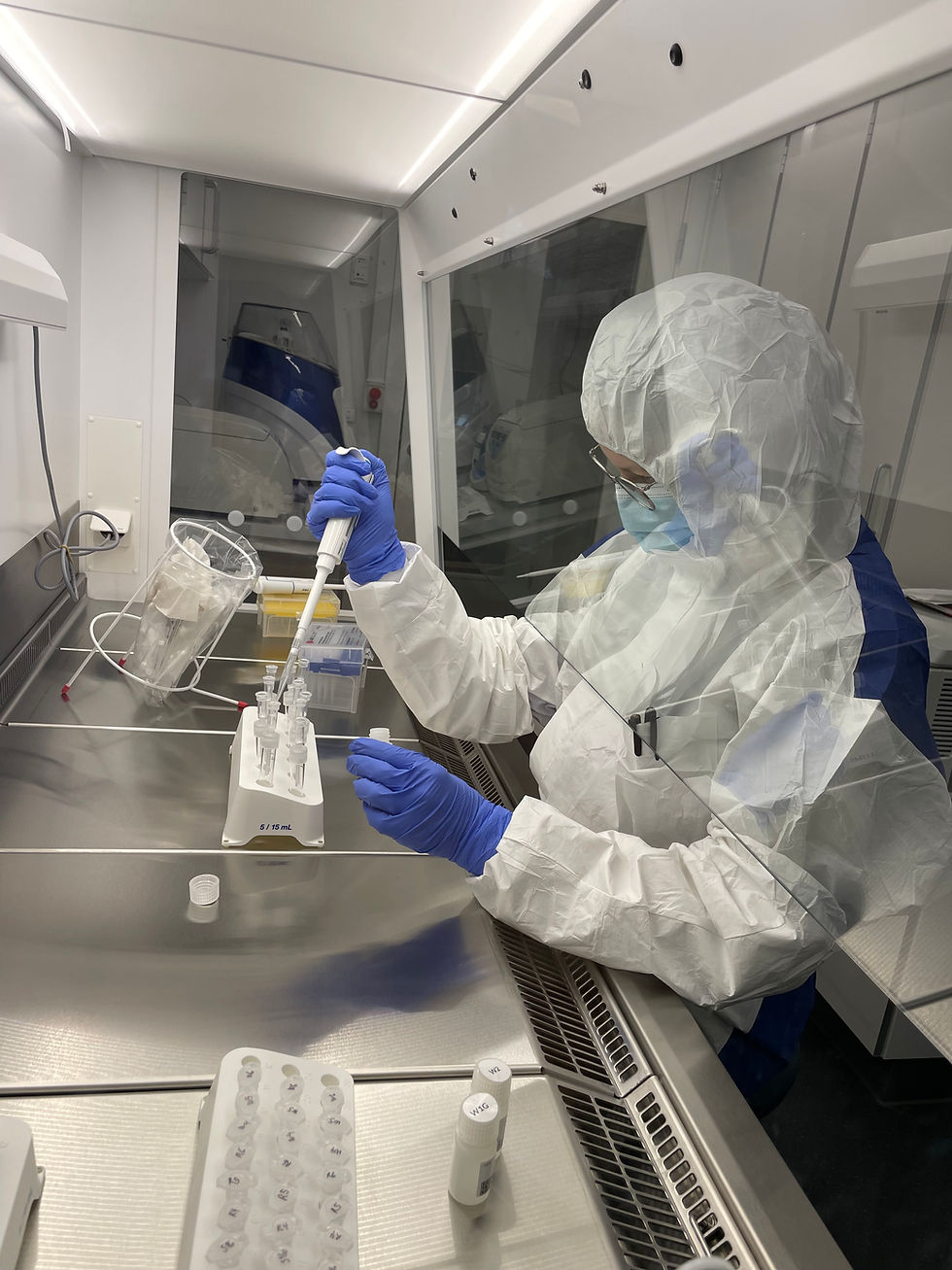
In this study, three commercially available DNA extraction kits were tested on a waterlogged Neolithic wooden pole from a submerged archaeological site in southern Denmark. We compared DNA yield and bacterial community composition using DNA quantification, qPCR and 16S rRNA gene sequencing.

The results show that all three extraction methods successfully recovered bacterial DNA. One of the tested protocols, the Bead-Beat Micro AX Gravity kit, produced the highest DNA concentrations and required the fewest amplification cycles. However, the differences between extraction methods had only a limited effect on the overall bacterial community profiles.

The findings provide an important methodological foundation for ongoing ENDURE research into the microorganisms associated with the degradation of underwater archaeological wood. Understanding these microbial communities is a key step towards linking biological decay processes with the preservation and long-term survival of submerged cultural heritage.
Find the study here: https://peercommunityjournal.org/articles/10.24072/pcjournal.766/

Comments