
Under the Microscope: Tracking the Bacteria That Break Down Archaeological Wood

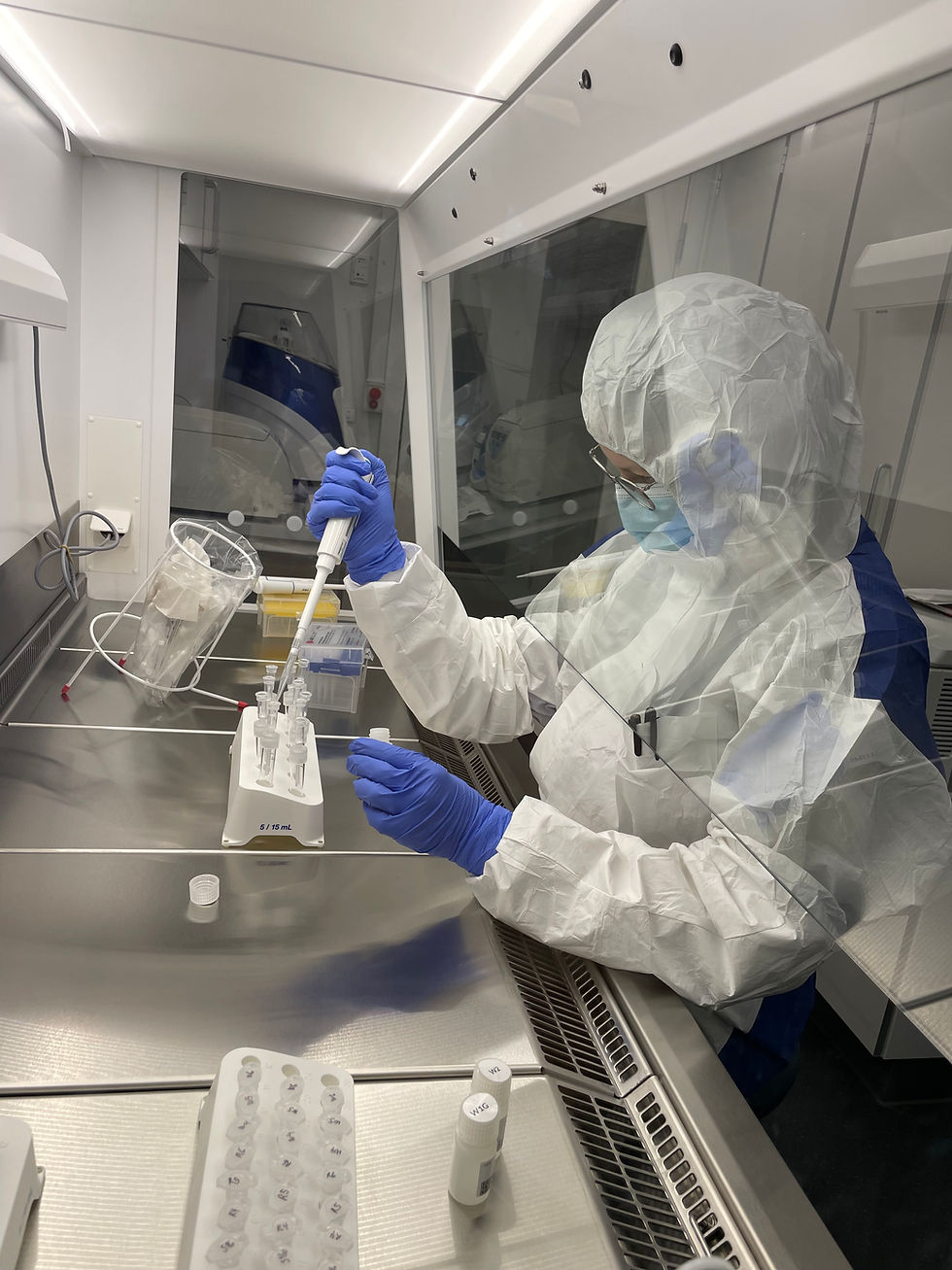
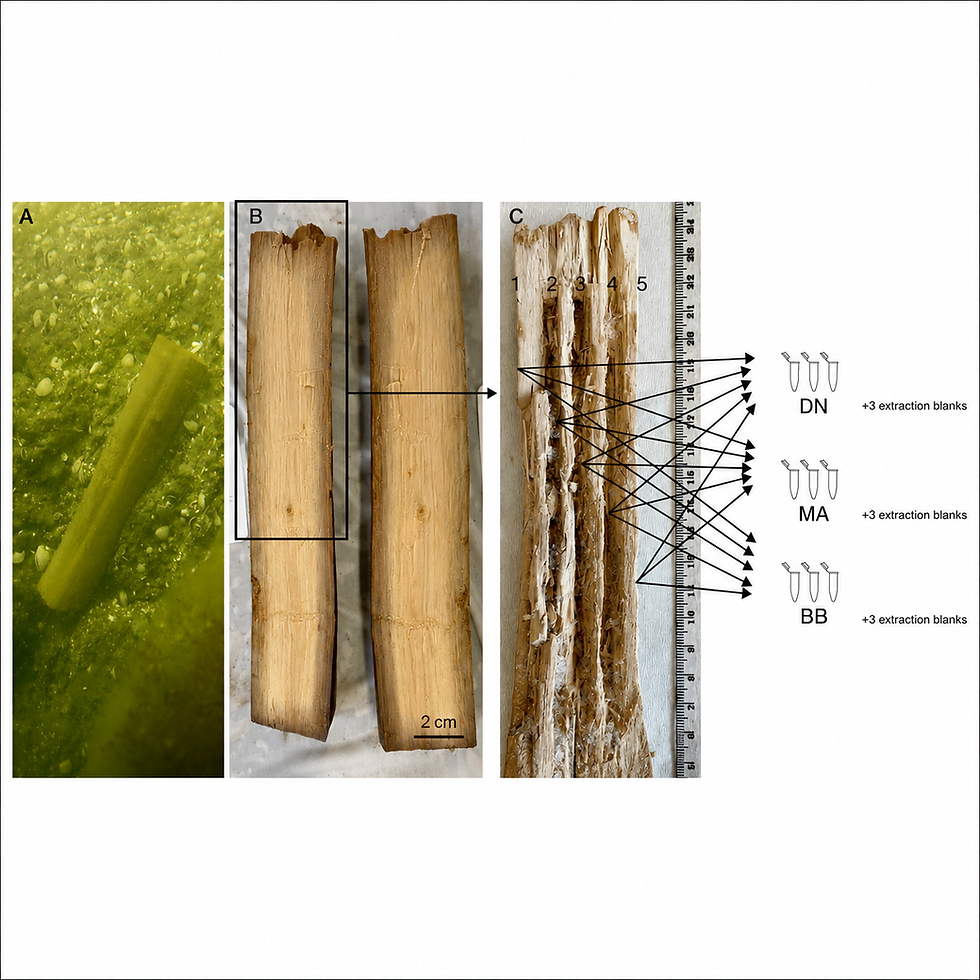
In recent weeks, researchers in the ENDURE project have been working intensively in the laboratory to investigate the microorganisms responsible for the degradation of archaeological wood on the seabed. Using microscopy and DNA analyses, we are studying a wide range of wood samples from different time periods — from more than 7,000-year-old Mesolithic finds and Viking Age material to wood from well-known shipwrecks in the Baltic Sea. At the same time, modern wood samples are being analysed. These were placed at an underwater settlement site and retrieved at regular intervals, allowing us to follow the very earliest stages of degradation.
In the laboratory, we are currently extracting DNA from bacteria and fungi and comparing the genetic data with visual decay patterns observed under the microscope in the wood’s cellular structure. So-called erosion bacteria are particularly prominent in many of the samples — a distinctive form of decay in which the cell walls are gradually eroded. Although this phenomenon is well known visually, very little is still understood about which microorganisms are responsible, or whether the process is driven by individual species or complex bacterial communities.
By combining microscopy with biomolecular analyses, we aim to shed new light on the microbial processes that affect the preservation of underwater cultural heritage, thereby contributing to improved strategies for monitoring and protecting archaeological wood in the future.



I still remember panicking when a stats assignment landed the same week as two other deadlines during my second year. Someone in a forum thread mentioned Help with Statistics Assignments while discussing how to manage overlapping coursework, but what stuck with me more was just how common that kind of scheduling chaos actually is for most students.
Excellent article with clear and useful insights. It's always nice to discover reliable places through quality content. I recently looked into Best Indian Restaurant Copenhagen and also browsed the Dinner Menu for meal ideas. Everything looks delicious and professionally presented.
Great article with practical information. It's always nice to discover trusted websites through quality blog posts. I explored Furniture Moving Services while looking for moving options, and quran with translation has been very helpful for better understanding and regular reading.
This article was genuinely helpful and easy to understand. I enjoy discovering useful online platforms through quality blog posts like this. Pakistan Classified is a helpful resource for local users, while Pakistani Clothing Wholesale UK provides an impressive range of traditional clothing. Wishing you continued success with your content.
This post about tracking bacteria that break down archaeological wood was really fascinating because it shows how science can uncover hidden processes that affect historical materials over time. I remember studying material degradation during a busy semester, and I used engineering assignment writing help to manage my coursework while trying to understand complex biological and engineering interactions. It made me realize how tiny organisms can have a big impact on preservation and why careful scientific study is important for protecting archaeological discoveries.